
Why Most Sales Hires Fail Before Day 90 and How Founders Fix It
January is hiring season. Budgets reset. Headcount opens up. Growth targets get locked.
It is also when many SaaS companies unknowingly set themselves up for a bad year.
Not because they hire too slowly.
Because they hire the wrong way.
If you are a founder, sales leader, or talent leader, here is the hard truth. Most sales hires that fail were never qualified to succeed in the first place. They looked good on paper. They interviewed well. Everyone felt confident.
Then reality showed up.
The Pattern Nobody Wants to Admit
Sales hires rarely fail suddenly. They fade.
First 30 days feel promising.
By day 60, pipeline is light.
By day 90, activity is high, but outcomes are weak.
By month 6, the role is quietly reopened.
This is not bad luck. It is a systemic issue rooted in how sales hiring decisions are made.
Companies confuse confidence with competence and experience with fit.
The Real Reason Sales Hiring Breaks
Most organizations believe they have a recruiting problem. In reality, they have a hiring problem.
Here is where things go off track.
Interviews Carry Too Much Weight
Interviews reward communication, storytelling, and likeability. They do not reliably measure selling capability.
Strong salespeople interview well.
Weak salespeople often do too.
When interviews become the primary decision driver, bias replaces evidence, and optimism replaces validation.
Experience Is Treated as a Shortcut
Years of experience and brand-name logos feel safe. They are not predictive.
What matters is how someone sold, who they sold to, and under what conditions.
Selling mid-market SaaS is not the same as enterprise SaaS.
Selling with inbound demand is not the same as hunting.
Selling with brand equity is not the same as selling from zero.
Most teams never pressure test this context.
Hiring Teams Are Misaligned
Sales wants speed.
Founders want certainty.
Talent wants process.
Without a shared definition of success, hiring decisions turn into compromises. Compromises produce average hires at best and expensive mistakes at worst.
What High Performing Teams Do Differently
The companies that consistently make strong sales hires are not relying on gut feel or heroic interviews. They run a system.
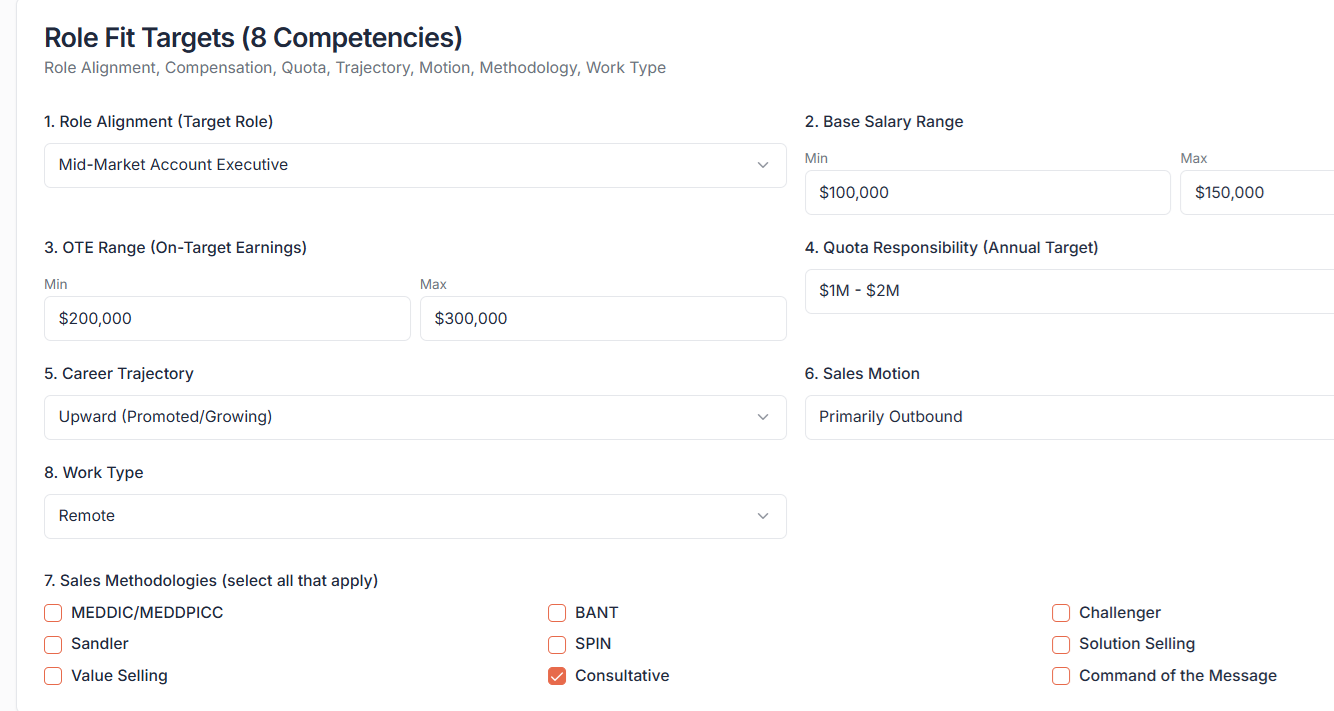
They Define Fit Before Sourcing
Before resumes are reviewed, top teams align on what success actually looks like.
Sales motion
Deal size
Buyer profile
Ramp expectations
Quota reality
Compensation alignment
If this is unclear, no amount of sourcing will fix the outcome.
They Separate Screening From Interviewing
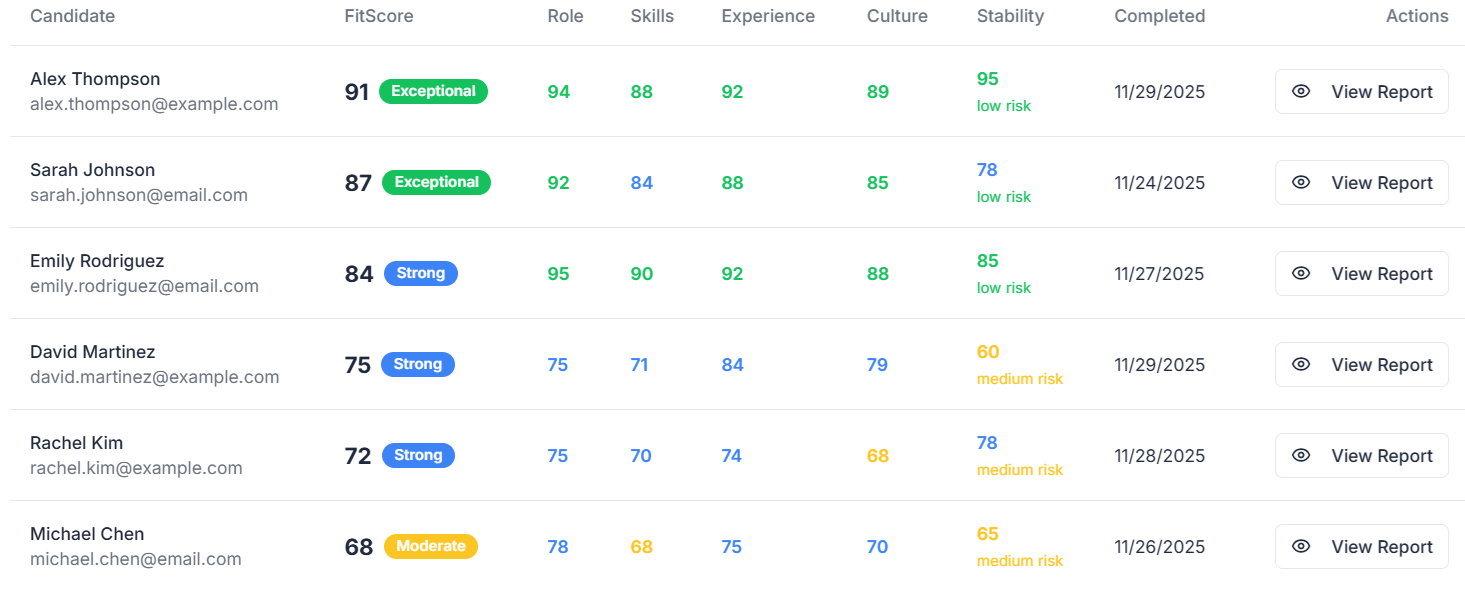
Screening is about alignment and capability.
Interviewing is about validation and commitment.
When those steps blur together, weak candidates advance, and strong candidates get lost in subjective feedback.
Structure creates clarity. Clarity creates confidence.
They Use Data to Reduce Risk
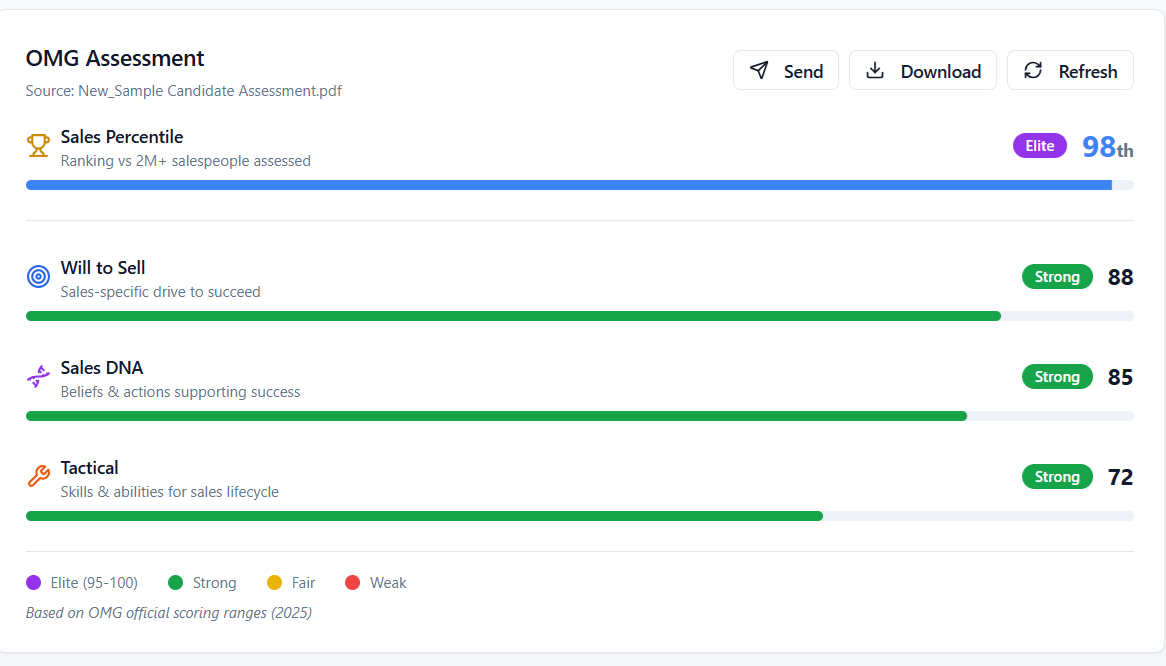
Great hiring decisions are not based on feelings. They are supported by evidence.
When teams evaluate candidates against consistent criteria, decisions speed up, debates disappear, and hiring confidence goes up.
This is how hiring becomes a strategic advantage instead of a recurring fire drill.
Why January Decisions Matter More Than You Think
A bad sales hire in Q1 does not just miss quota.
It drains leadership time.
It creates forecasting noise.
It slows pipeline momentum.
It increases churn risk.
The cost compounds quietly and aggressively.
Strong hires, on the other hand, accelerate everything. Pipeline, morale, execution, and confidence.
January sets the trajectory. The rest of the year follows.
The HireDNA Point of View
At HireDNA, we work with founders and sales leaders who are tired of guessing.
They are not looking for more resumes.
They want fewer mistakes.
They want clarity before commitment.
Sales hiring is not a volume problem. It is a precision problem.
Your Next Move
If you want to understand the real cost of getting this wrong, do not speculate. Quantify it.
Use our Sales Turnover Calculator to model the true impact of a bad sales hire across lost revenue, wasted time, and leadership drag.